Supporting students as a computer lab assistant
Supporting students as a computer lab assistant
Since October 2025, I've been working as a Computer Lab Assistant at the University of Roehampton, supporting students across multiple security-focused modules. This part-time role has become one of the most valuable experiences in my cybersecurity journey, not just for the technical skills it's reinforced, but for how it's developed my ability to communicate complex concepts and help others understand.
What I Actually Do
My day typically starts before the lab session even begins. I spend time preparing by reading the material, working through the lab exercises at home, and creating notes so I'm ready to teach students and answer any questions they might have. When I arrive at the computer lab, I chat with the lecturer about what we want to achieve in that session, then I'm ready to help students as they work through the exercises.
The actual helping part varies - sometimes students just need a quick pointer, other times they want to understand something deeper. I always make time for those deeper conversations. I'll sit with them, work through the labs together, and help them understand not just what to do, but why we're doing it.
A Typical Lab Session
Each lab session follows a similar structure. We start with an introduction explaining what we want to accomplish that day. Then we dive into the actual lab work, which could be anything from network reconnaissance and finding available hosts, to penetration testing exercises, to digital forensics investigations - it all depends on the module.
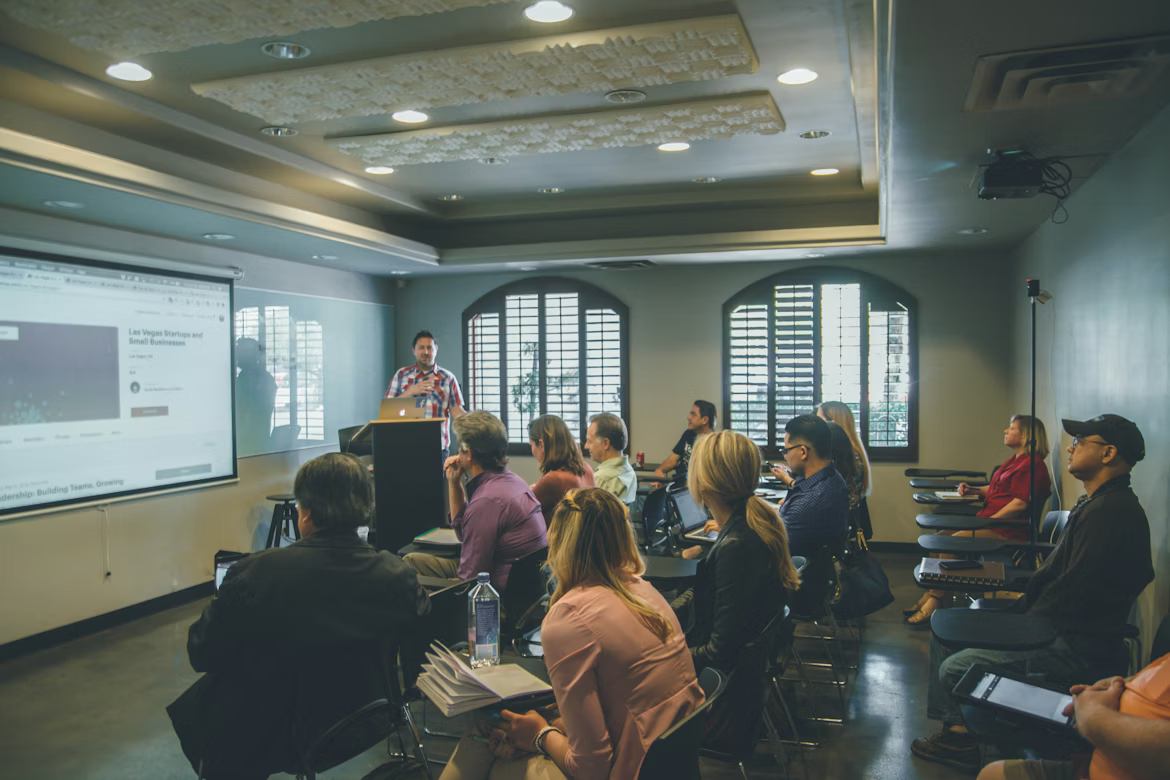
Sometimes I lead the labs myself, explaining on screen what needs to be done and how to do it. I'll open the lab requirements, demonstrate the steps, and walk students through the process. Other times, I'm circulating around the lab, helping individual students or small groups as they work through the exercises.
The Tools and Techniques
The tools I teach depend entirely on which module we're covering. In the Cyber Security module, I work with Nmap for network scanning, Wireshark for packet analysis, Nessus for vulnerability assessment, and SQLMap for automated SQL injection testing. In Security Testing, it's Burp Suite for web application security, manual SQL injection and XSS techniques, and various penetration testing methodologies.
For Computer Systems, I use Cisco Packet Tracer to teach network fundamentals, cover the foundations of Assembly language, and help with benchmarking exercises. In Digital Forensics, we work with Autopsy for digital investigation and Zimmerman Tools for forensic analysis.
One of my favourite parts is setting up the practical environments. In the Cyber Security module, I regularly configure networks between virtual machines. For example, I might set up three machines in one subnet that need to be able to ping each other and search for open ports. It's hands-on work that helps students see how network security actually functions in practice.
The Topics I Explain
The topics I cover are as diverse as the modules themselves. I explain network protocols and how they work, security architectures and defence strategies, firewall configurations, network scanning techniques, and everything else related to network security. I break down penetration testing methodologies, help students understand digital forensics procedures, and explain system architecture concepts.
What makes this interesting is that I'm not just reciting information - I'm helping students understand how these concepts connect to real-world scenarios. When I explain network protocols, I'm showing them how attackers might exploit them. When I teach firewall configurations, I'm demonstrating how to design effective network defences.
Working with Different Students
Every student has a different level of understanding and knowledge. For one person, the challenge might be setting up a subnet with a couple of virtual machines. For another student, it's deep philosophical and ethical questions about where the borderline is between what's allowed and what you can actually do in security testing.
I've learned to adapt my communication style to match each student's needs. For people who aren't comfortable with technical language yet, I use analogies to make concepts accessible. For students who already understand the basics, I try not to overcomplicate things but still deliver meaningful, deeper insights.
This adaptability has been crucial. Some students need me to walk them through every step. Others just need a nudge in the right direction. The key is recognising what each person needs and adjusting my approach accordingly.
What Makes This Role Meaningful
What I enjoy most about this role is the interaction with people and the reminder that I'm actually helping others. There's something genuinely satisfying about seeing a student's face light up when they finally understand a concept they've been struggling with, or watching them gain confidence as they work through challenging exercises.
The feedback I receive makes it all worthwhile. When exam time comes around, I always get messages from students saying things like "thanks for being our lab assistant, you helped a lot" and "I'm confident because you always helped." Knowing that I've made a real difference in someone's learning journey is incredibly rewarding.
What I've Learned About Myself
This role has taught me something important about myself: I'm very communicative when I feel comfortable in my position. It took me about two weeks to settle in, but once I did, I found that I genuinely enjoy explaining things, helping people understand, and facilitating learning. I didn't realise how much I'd enjoy teaching until I started doing it.
It's also reinforced that I'm ready for a professional role. Working with students, adapting to different needs, explaining complex technical concepts, and handling the pressure of being responsible for helping others learn - all of this has given me confidence that I can handle the communication and presentation demands of cybersecurity analyst roles.
How This Relates to Cybersecurity Analysis
This experience directly demonstrates skills essential for cybersecurity analysts:
Presentation and Communication: Leading labs, explaining concepts on screen, and adapting my communication style to different audiences mirrors exactly what cybersecurity analysts do when presenting security findings to stakeholders. Whether I'm explaining security concepts to beginners or discussing complex threat detection methodologies with more advanced students, I'm practising the same skills I'll need in a professional role - acting as an ambassador of security best practices.
Technical Depth: Working across multiple modules - Security Testing, Digital Forensics, Network Security, and Computer Systems - has given me broad technical knowledge. I understand security tools, system architectures, network protocols, and how they all fit together. This technical foundation is essential for analyzing security incidents, developing monitoring tools, and explaining security decisions to stakeholders.
Stakeholder-Focused Approach: Every student is different, with different needs and different levels of understanding. Learning to adapt my approach, use analogies when needed, and deliver meaningful insights to diverse audiences is exactly what cybersecurity analysts do when working with stakeholders who have varying technical backgrounds - from technical IT staff to business decision-makers.
Problem-Solving and Methodical Investigation: When students get stuck, I help them debug issues, work through problems, and understand solutions. This problem-solving approach - breaking down complex issues, finding root causes, and explaining solutions clearly - is central to security incident investigation and threat analysis.
The Feedback
The feedback I've received from both students and instructors has been consistently positive. Students regularly tell me how much I've helped them understand the material and build confidence. The fact that they reach out during exam periods to thank me shows that the support I'm providing is making a real difference.
From instructors, I've received recognition for my ability to explain complex concepts clearly and my commitment to helping students succeed. This validation has reinforced that I'm on the right path and that my communication and teaching skills are developing well.
Conclusion
Working as a Computer Lab Assistant has been one of the most valuable experiences in my cybersecurity journey. It's taught me that I genuinely enjoy helping others learn, that I can communicate complex technical concepts effectively, and that I'm ready for professional roles that require presentation and customer communication skills.
More than that, it's shown me the importance of adapting to different audiences, using analogies to make concepts accessible, and maintaining patience when helping others understand challenging material. These are exactly the skills that make an effective cybersecurity analyst - someone who can analyze complex security threats, develop monitoring tools, handle incident response, and communicate security decisions clearly to diverse stakeholders, whether they're technical teams, business decision-makers, or compliance officers.
This role has given me confidence that I can handle the communication demands of cybersecurity analyst positions. I know I'm ready to step into a professional role where I'll be presenting security findings, explaining threat detection strategies, and helping stakeholders understand how security measures protect infrastructure and data.